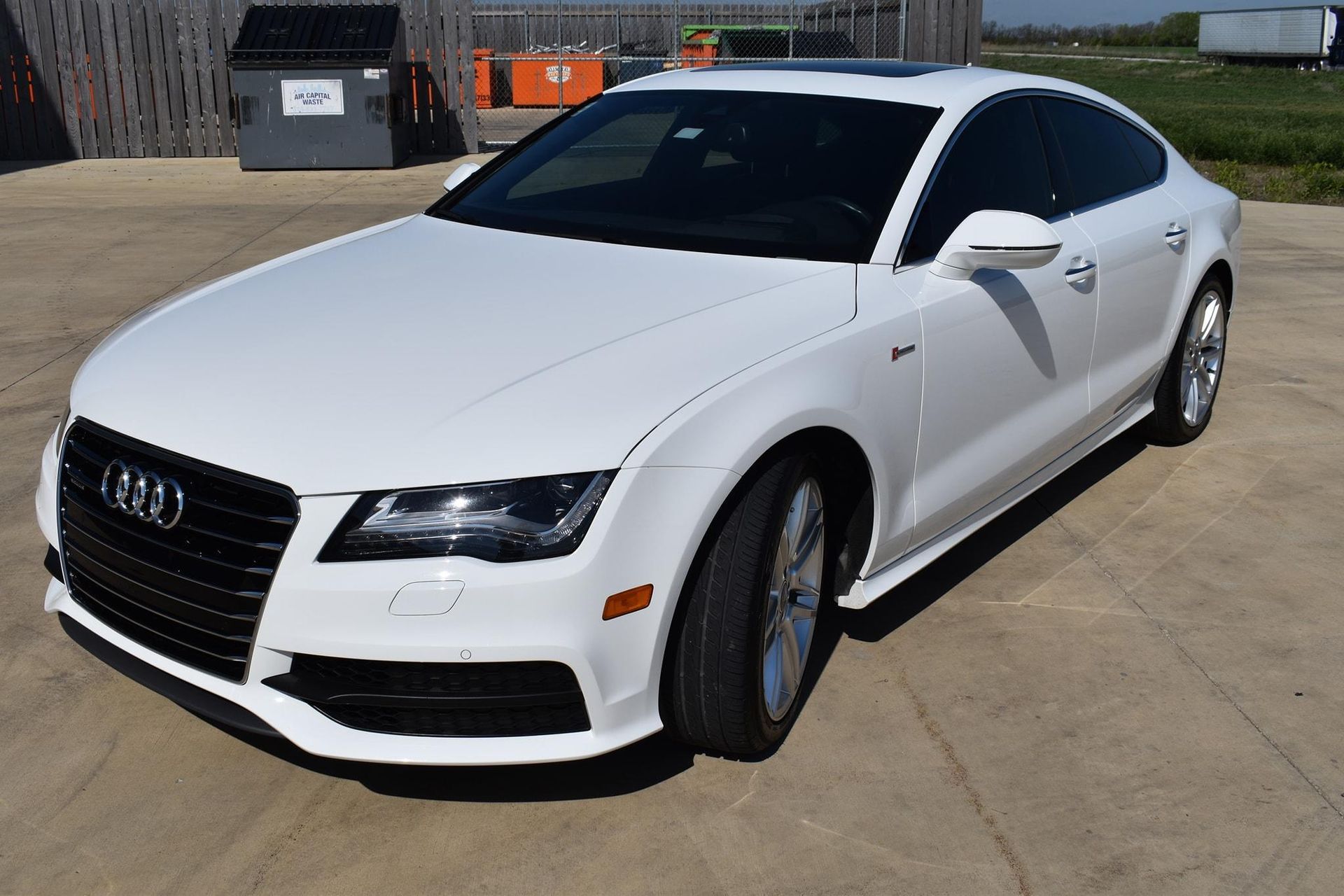
What to Do If Your PPF Starts Yellowing or Peeling

GET A QUOTE NOW

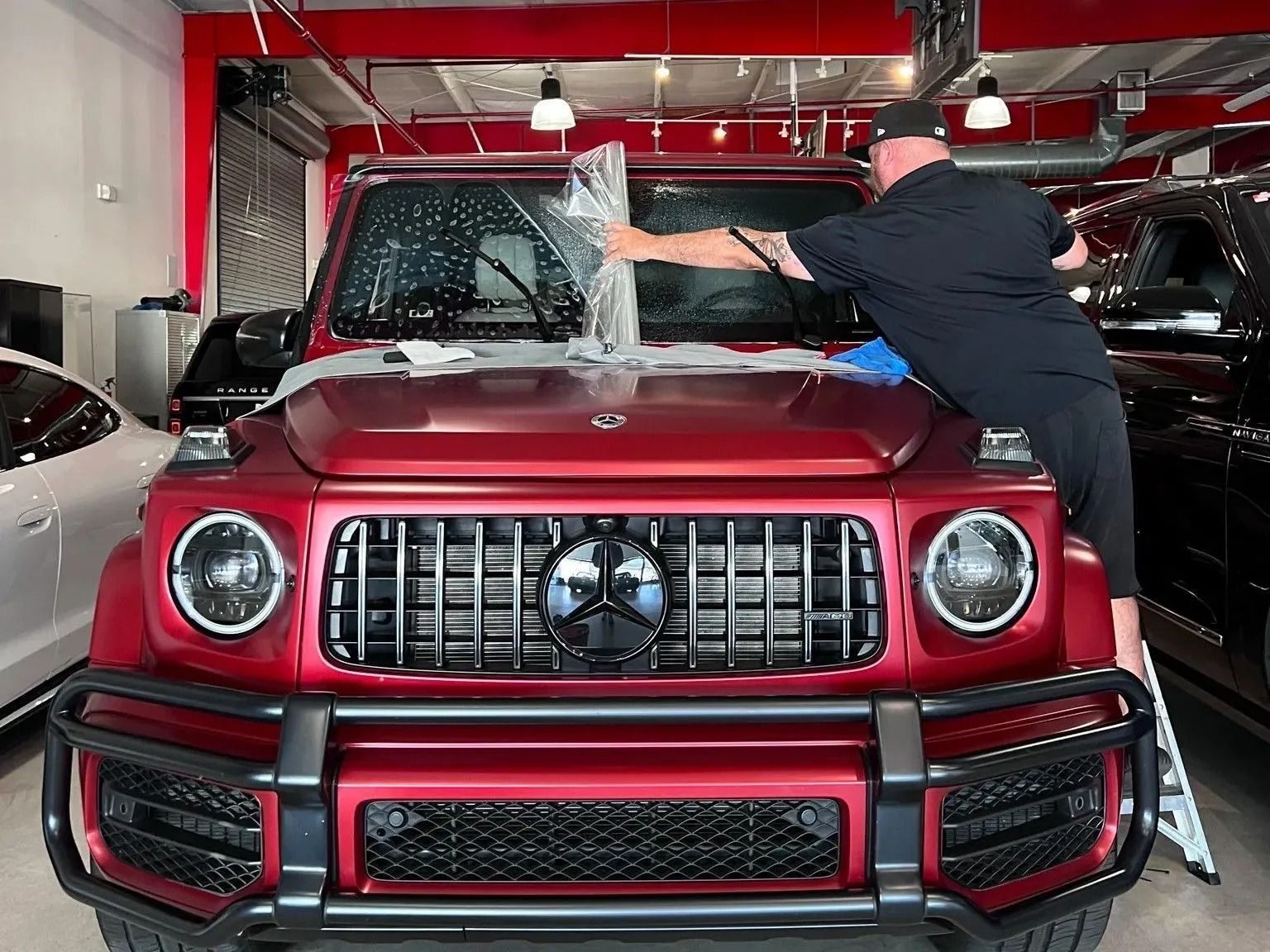
Paint protection film is designed to preserve your vehicle’s finish, but over time, even high-quality film can show signs of wear. When discoloration, edge lifting, or surface separation appears, it can raise concerns about both appearance and protection. Understanding what causes these issues and responding early can help prevent minor concerns from becoming more costly problems. For drivers in Wichita, KS, where sun exposure, road debris, and changing weather can impact vehicle surfaces, recognizing the warning signs matters. At Black Label Car Care, Addressing paint protection film concerns is part of helping vehicle owners maintain a clean finish and long-term surface defense. Knowing the common paint protection film peeling causes and how to respond can help protect both your investment and your vehicle’s appearance.


Common Signs Your PPF Is Beginning to Fail


Paint protection film typically ages gradually, and the earliest signs of failure can sometimes be subtle. A slight yellow tint, haziness, lifted edges, or bubbling may seem cosmetic at first, but these changes often indicate the film is no longer performing as intended. When damage or wear begins affecting adhesion and clarity, the protective qualities of the film can diminish as well. Identifying these warning signs early can help vehicle owners take action before the issue spreads or affects the underlying paint.


How to Spot Yellowing Before It Gets Worse


Yellowing often begins as a faint discoloration that may only be noticeable in certain lighting conditions, but over time it can become much more obvious. It may appear near edges, across horizontal surfaces, or in panels exposed to heavy sunlight. In Wichita’s climate, prolonged UV exposure can contribute to aging film, particularly if the material is older or lower quality. When the film starts losing its transparency, the finish underneath can appear dull or uneven. Professional inspection can help determine whether the discoloration is surface contamination, aging film, or a sign replacement may be needed.


Warning Signs of Peeling or Lifting


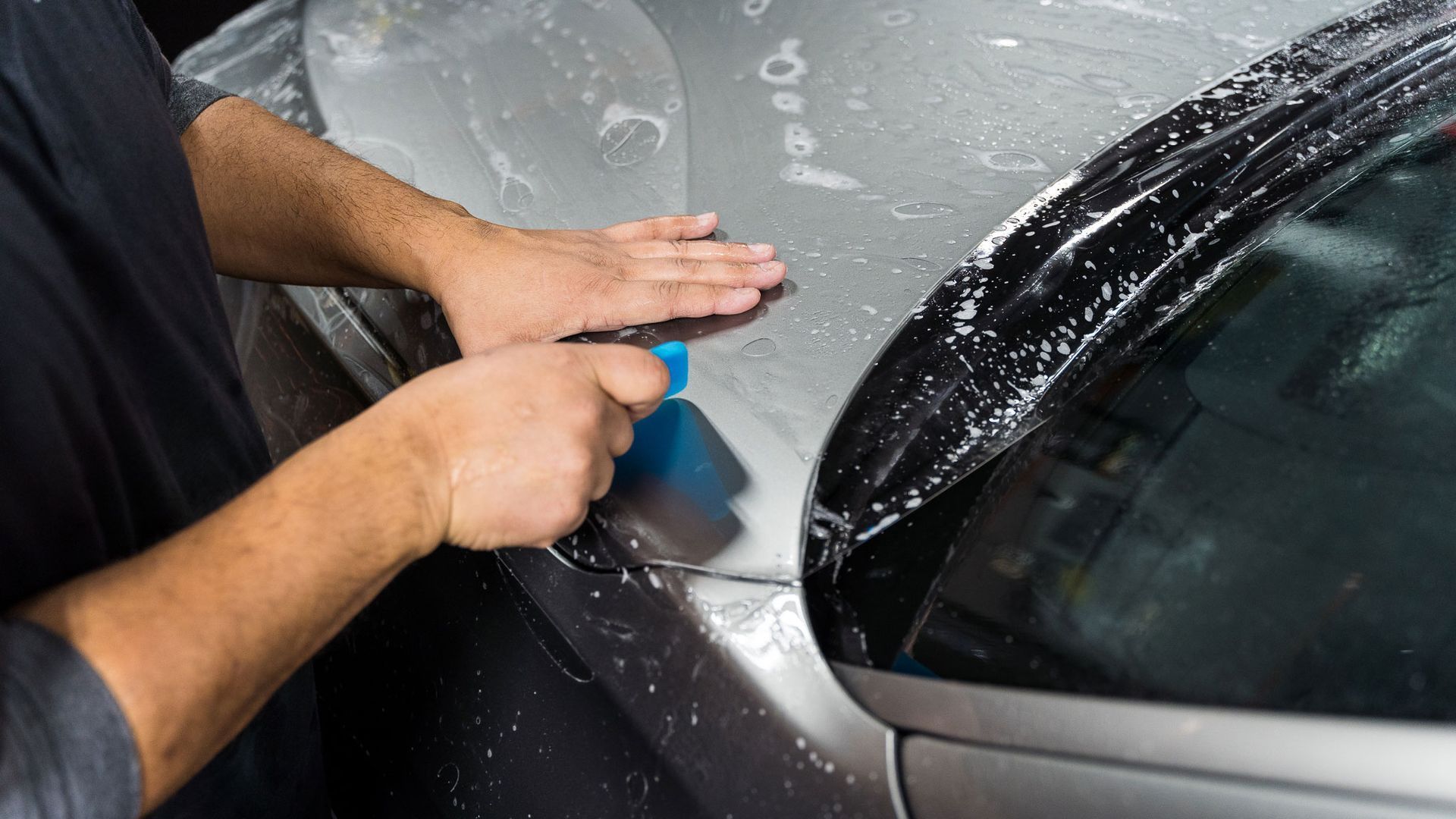
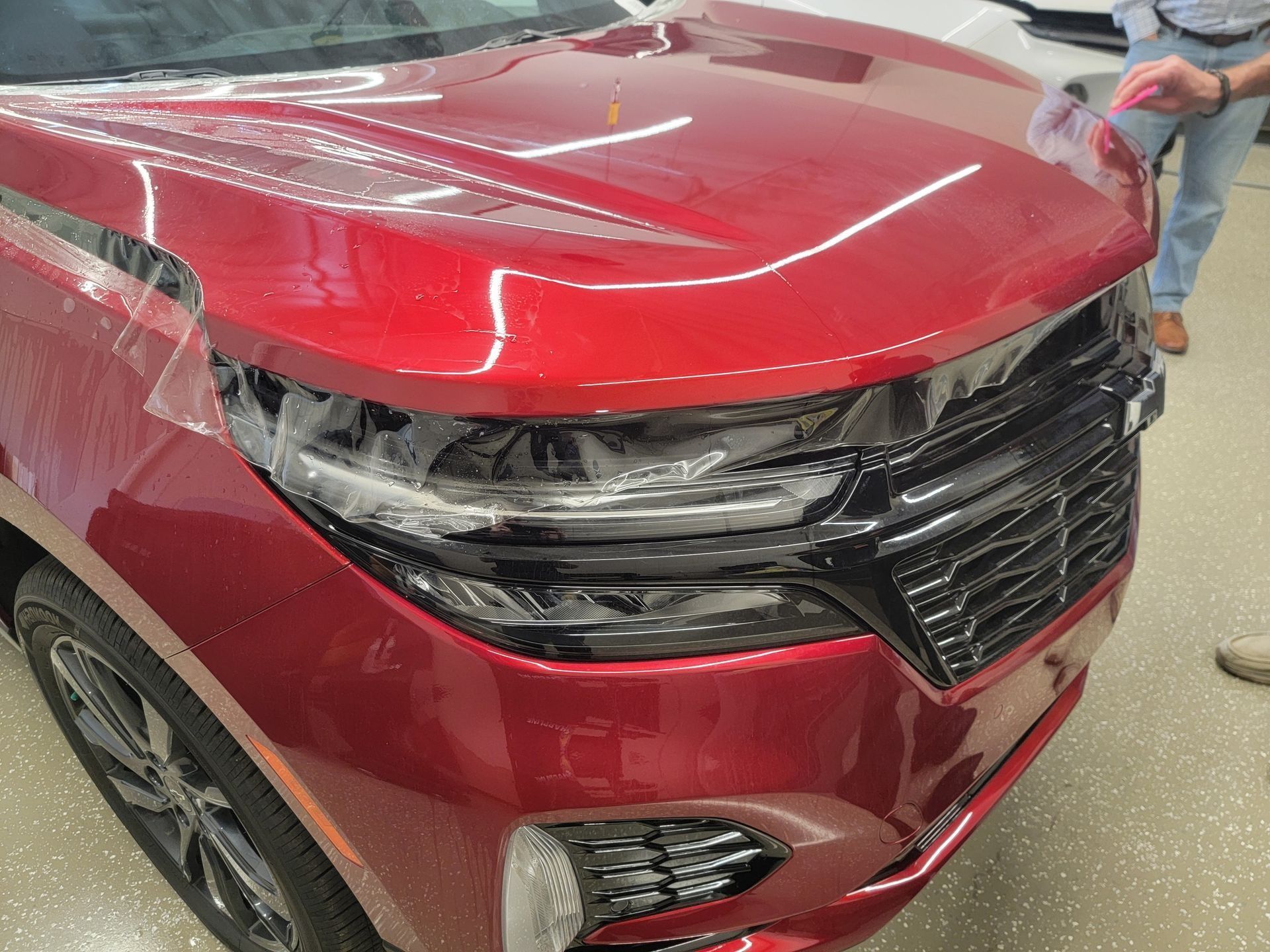
Peeling usually begins around edges, corners, or impact-prone areas where stress on the film tends to be greater. A lifted edge may allow dirt, water, and debris to enter beneath the film, which can lead to worsening adhesion problems. Small bubbles or visible separation may also indicate the bond between film and paint has weakened. These issues can spread if left untreated, making early correction important. Black Label Car Care often helps vehicle owners assess whether lifting can be addressed through repair or whether replacement offers a more reliable solution.


Understanding Paint Protection Film Peeling Causes


When film begins to fail, the cause is often linked to several contributing factors rather than a single issue. Understanding paint protection film peeling causes can help vehicle owners make informed decisions about maintenance and replacement. Some issues relate to environmental wear, while others may stem from installation quality or care habits. Knowing what contributes to premature peeling or yellowing can help extend film performance and prevent repeated problems.


UV Exposure and Sun Damage


Constant exposure to sunlight can gradually affect the clarity and condition of paint protection film. Over time, ultraviolet rays may contribute to discoloration, particularly in older films or products without strong UV resistance. Wichita drivers often experience intense sun and seasonal temperature shifts, both of which can add stress to protective film. While quality modern film is designed for durability, prolonged exposure still contributes to aging. If yellowing appears widespread or persistent, a professional can determine whether the film has reached the end of its service life.

Improper Installation Issues


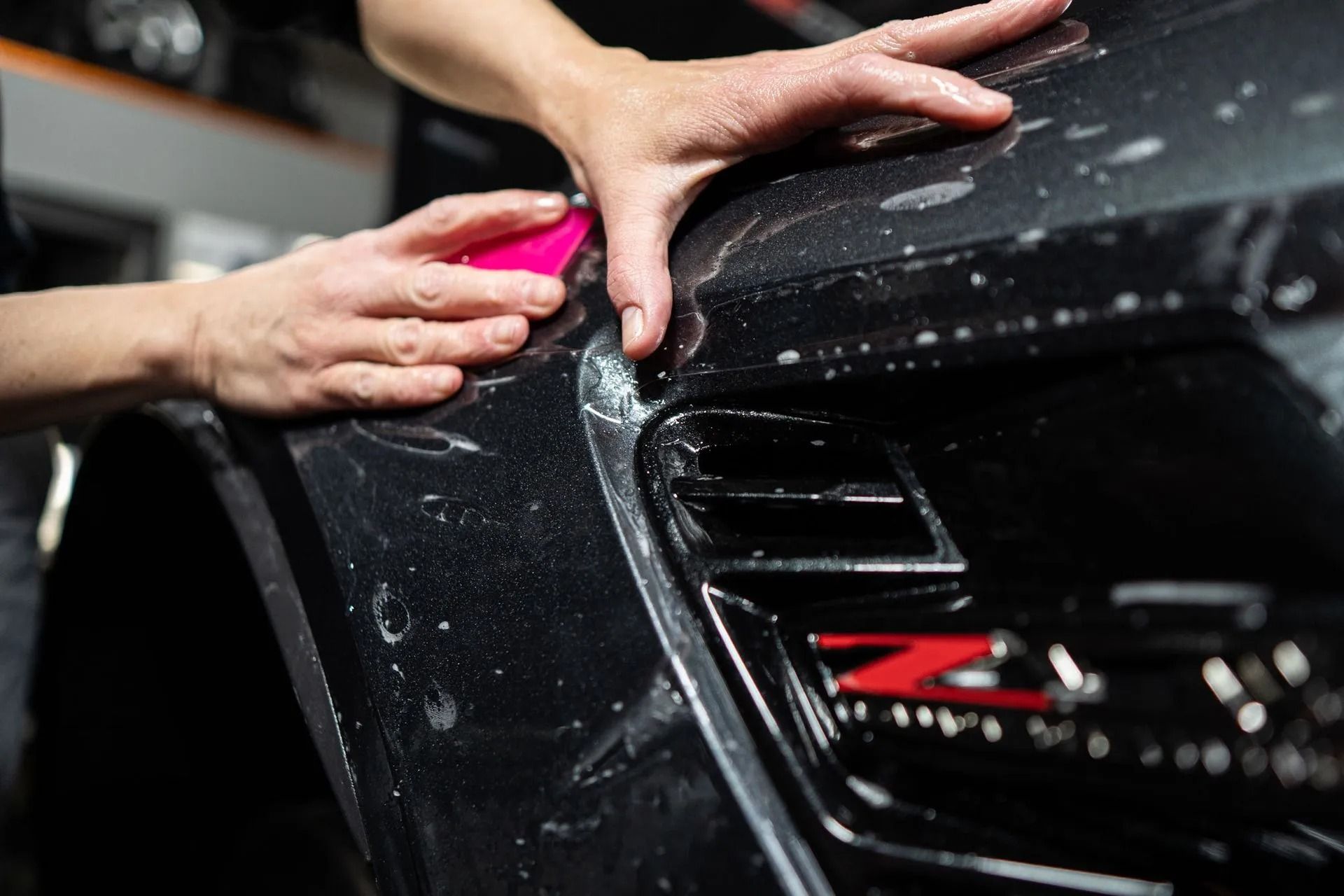
Installation quality plays a major role in how well paint protection film performs over time. Improper surface preparation, stretched material, poor edge wrapping, or trapped contaminants can all contribute to lifting or peeling later. In some cases, issues may not appear until months or years after installation. Adhesion problems often become visible first in corners or complex panel areas. Working with experienced professionals such as Black Label Car Care helps reduce these risks by ensuring proper preparation, precision application, and durable coverage.


Wear From Road Debris and Environmental Contaminants


Daily driving exposes film to impacts and contamination that can affect both appearance and durability. Gravel, bug residue, road salt, pollutants, and other debris can wear down the surface over time. In Wichita, seasonal driving conditions may add additional stress to protected surfaces. Repeated impacts or chemical exposure may contribute to edge lifting or surface breakdown, especially if the film is already aging. Routine inspections can help identify whether these factors are affecting the film before visible peeling spreads.


Harsh Cleaning Products and Maintenance Mistakes


Improper maintenance can sometimes accelerate film deterioration. Aggressive chemicals, abrasive cleaning methods, or excessive pressure washing can weaken the film surface or affect adhesion. Even well-intentioned DIY attempts to remove stains or restore clarity may cause more harm than good. Paint protection film benefits from maintenance methods suited specifically to protective films. Professional guidance can help vehicle owners avoid practices that may shorten film life.


What to Do If Your PPF Starts Yellowing


Yellowing does not always mean immediate replacement is required, but it should be evaluated promptly. The severity of discoloration and its underlying cause determine whether cleaning, correction, or replacement may be appropriate. Addressing yellowing early can help preserve the appearance of the vehicle and prevent the issue from worsening.


Inspect the Severity of the Discoloration


Some discoloration may result from contamination on the film surface, while deeper yellowing may indicate aging material. Determining the difference is important because treatment options vary. A professional inspection can help identify whether the film still has protective integrity or if deterioration is affecting performance. Rather than guessing at the cause, evaluating the severity early can help avoid unnecessary damage or ineffective DIY solutions.


Avoid DIY Fixes That Can Cause More Damage


When yellowing appears, it may be tempting to use strong cleaners or polishing compounds in an attempt to restore clarity. However, many DIY approaches can damage the film surface or worsen the issue. Abrasive methods may create hazing or compromise protective properties. Professional assessment is often the safest route when appearance changes become noticeable. Black Label Car Care helps vehicle owners determine whether corrective options are possible before replacement becomes necessary.


When Professional Correction May Be an Option


In some cases, localized staining or minor issues may be addressed without full replacement. If the film remains structurally sound, professional cleaning or partial replacement may restore both appearance and protection. When yellowing reflects material aging, however, replacing affected sections may be the better long-term solution. Having the film evaluated promptly can help preserve the finish beneath while identifying the most practical path forward.


What to Do If Your PPF Begins Peeling


Peeling often progresses once it starts, making prompt attention important. Ignoring lifted edges or attempting to remove damaged sections without guidance can increase the risk of paint issues or larger replacement needs. The right response depends on how extensive the problem has become.


Do Not Pull or Trim the Film Yourself


A lifted edge may seem minor, but pulling at peeling film can cause more extensive separation or damage the paint underneath. Trimming loose sections may also leave exposed edges vulnerable to contamination. Because peeling often points to broader adhesion concerns, professional evaluation is usually the safest response. Addressing the issue early may help prevent a localized problem from becoming a full-panel replacement.


Schedule a Professional Inspection Quickly


Once peeling appears, determining whether the issue is isolated or widespread becomes important. In some cases, early intervention may allow for targeted repair rather than full replacement. Professional inspection can identify whether adhesive failure, environmental wear, or installation-related factors are contributing to the problem. Black Label Car Care evaluates these concerns carefully so vehicle owners can make informed decisions about protecting their finish.


When Partial Repair vs Full Replacement Makes Sense


Some peeling may be limited to a specific edge or section and may allow for partial replacement. In other situations, aging or widespread failure makes replacing the affected film the more reliable option. The decision often depends on the age of the film, extent of lifting, and the overall condition. Addressing these issues professionally helps restore both aesthetics and long-term paint protection.


How Yellowing or Peeling Affects Vehicle Protection


Film issues are often seen first as appearance concerns, but they can also affect protective performance. When adhesion weakens or the surface deteriorates, the film may not defend against impacts and contaminants as intended. This is why addressing problems promptly matters beyond cosmetic reasons alone.


Reduced Defense Against Rock Chips and Surface Damage


Damaged or compromised film may no longer absorb impacts effectively. Areas where peeling has begun can leave portions of the paint exposed to debris and road hazards. As protective performance declines, the risk of chips and surface damage can increase. Maintaining film condition is essential to preserving the protective value that PPF is meant to provide.


Appearance Issues That Affect Overall Vehicle Finish


Yellowing, bubbling, or lifted edges can disrupt the clean, refined appearance that quality film should support. Even minor defects may become noticeable on well-maintained vehicles. As issues progress, the contrast between affected and unaffected areas may become more pronounced. Professional correction can help restore the smooth appearance vehicle owners expect.


Why Delaying Repairs Can Lead to Bigger Problems


Waiting too long to address film deterioration may allow moisture intrusion, trapped contamination, or further adhesive failure. What begins as a small lifted edge can become a larger issue requiring more extensive replacement. Early action often provides more options and may help reduce long-term costs. That is why routine inspections and prompt professional attention remain important.


How to Extend the Life of Your Paint Protection Film


While no film lasts forever, proper care can help maximize performance and appearance. Maintenance habits, environmental awareness, and professional support all contribute to longer-lasting results. Preventive care is often the best defense against common paint protection film peeling causes.


Follow Proper Washing and Maintenance Practices


Using film-safe cleaning methods helps preserve clarity and reduce unnecessary wear. Gentle washing techniques and appropriate products can support long-term durability while helping keep the surface looking its best. Routine care also allows early signs of wear to be noticed before they progress. Consistent maintenance plays a major role in film longevity.

Protect the Film From Premature Wear


Parking choices, exposure habits, and driving conditions can all influence how quickly film ages. Reducing prolonged environmental stress where possible can help preserve both appearance and adhesion. Regular inspections also make it easier to identify developing concerns before they become significant problems. Preventive attention often supports better long-term results.


Work With Experienced Installers for Long-Term Results


Film quality and installation precision directly influence durability. Working with skilled professionals helps ensure proper fit, adhesion, and performance. Black Label Car Care focuses on professional paint protection film solutions designed to support lasting protection and appearance. Quality installation remains one of the strongest safeguards against premature issues.


When It May Be Time to Replace Aging Paint Protection Film


Even well-maintained film eventually reaches a point where replacement becomes the best option. Persistent discoloration, widespread peeling, or reduced performance often signal the film has reached the end of its service life. Replacing aging film can restore both protection and visual appeal.


Signs Your Current Film Has Reached the End of Its Life


When yellowing cannot be corrected, lifting spreads across multiple panels, or the surface loses clarity and resilience, replacement may be necessary. Aging film can diminish both aesthetics and protective performance. Evaluating these signs early helps prevent prolonged exposure of the paint beneath.


Benefits of Replacing Damaged Film Promptly


Replacing compromised film restores clean appearance, renews protective performance, and helps preserve vehicle value. Rather than allowing deteriorating film to affect paint condition or appearance, timely replacement helps maintain long-term results. Professional replacement can also provide updated materials with modern durability and clarity benefits.


Why Professional PPF Evaluation Matters in Wichita, KS


Wichita drivers face environmental factors that can influence how protective film performs over time. Sun exposure, temperature swings, and road conditions can all contribute to wear patterns unique to the area. Having film evaluated by professionals familiar with these conditions can help identify problems accurately and recommend practical solutions. Black Label Car Care provides professional guidance for vehicle owners looking to maintain or restore their paint protection film. When yellowing or peeling appears, expert evaluation helps ensure the right steps are taken to protect both appearance and finish.


Keep Your Vehicle Protected and Looking Its Best


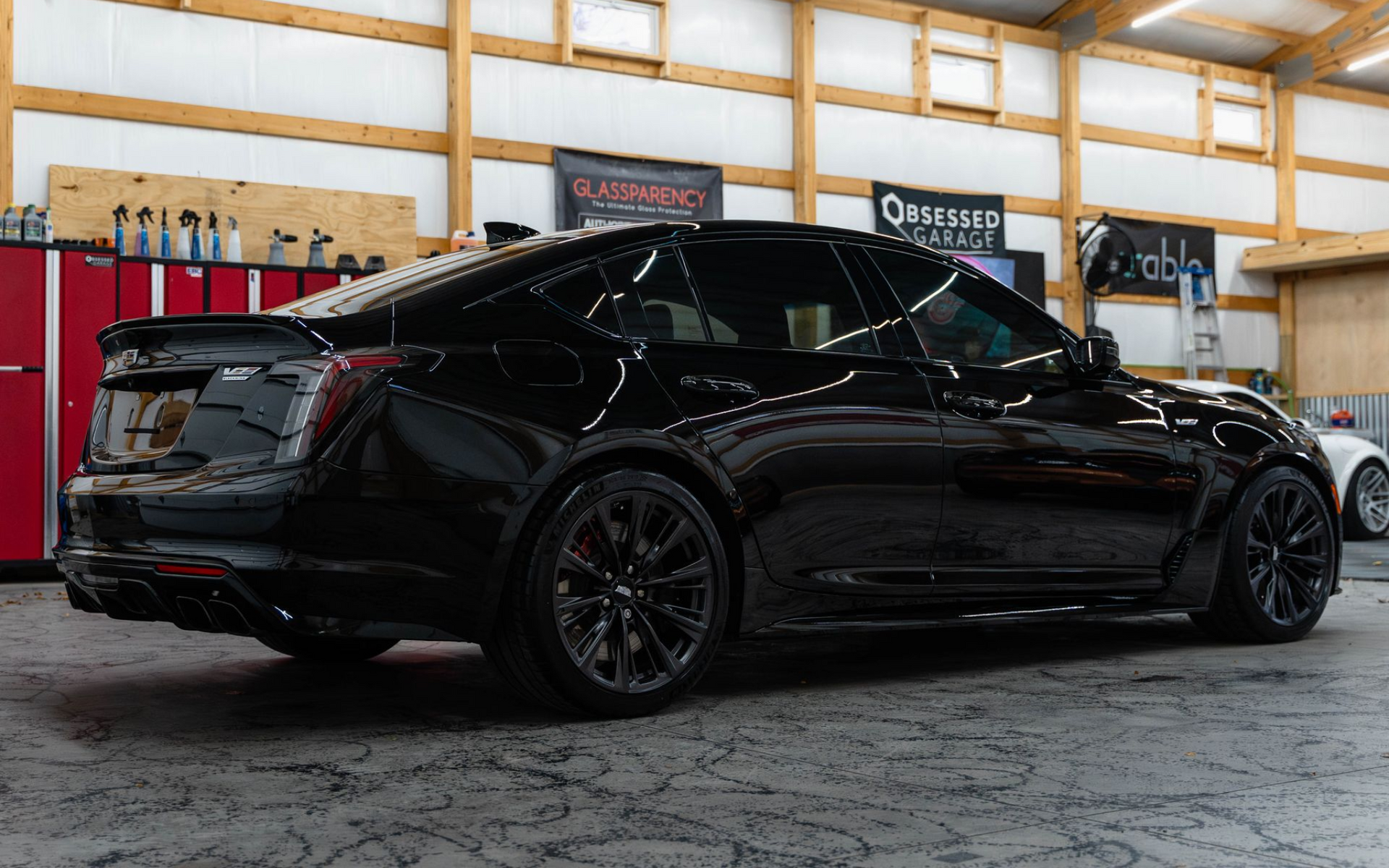
When paint protection film begins showing signs of yellowing or peeling, early action can make a significant difference. Understanding paint protection film peeling causes, recognizing warning signs, and seeking professional evaluation can help prevent minor issues from becoming larger concerns. Whether the solution involves maintenance, repair, or replacement, addressing film problems promptly helps preserve both the look of your vehicle and the protection beneath. With proper care and professional support from Black Label Car Care, drivers in Wichita can keep their vehicles protected and looking their best for years to come. Contact us today for professional paint protection film inspection, repair, and replacement services in Wichita, KS. 

GET A QUOTE NOW

Black Label Car Care Blog

ceramic coating Wichita
By Detailers Roadmap SEO April 8, 2026
Cut vehicle upkeep costs in Wichita, KS, with ceramic coating. Protect paint, reduce cleaning time, and keep a long-lasting glossy finish.
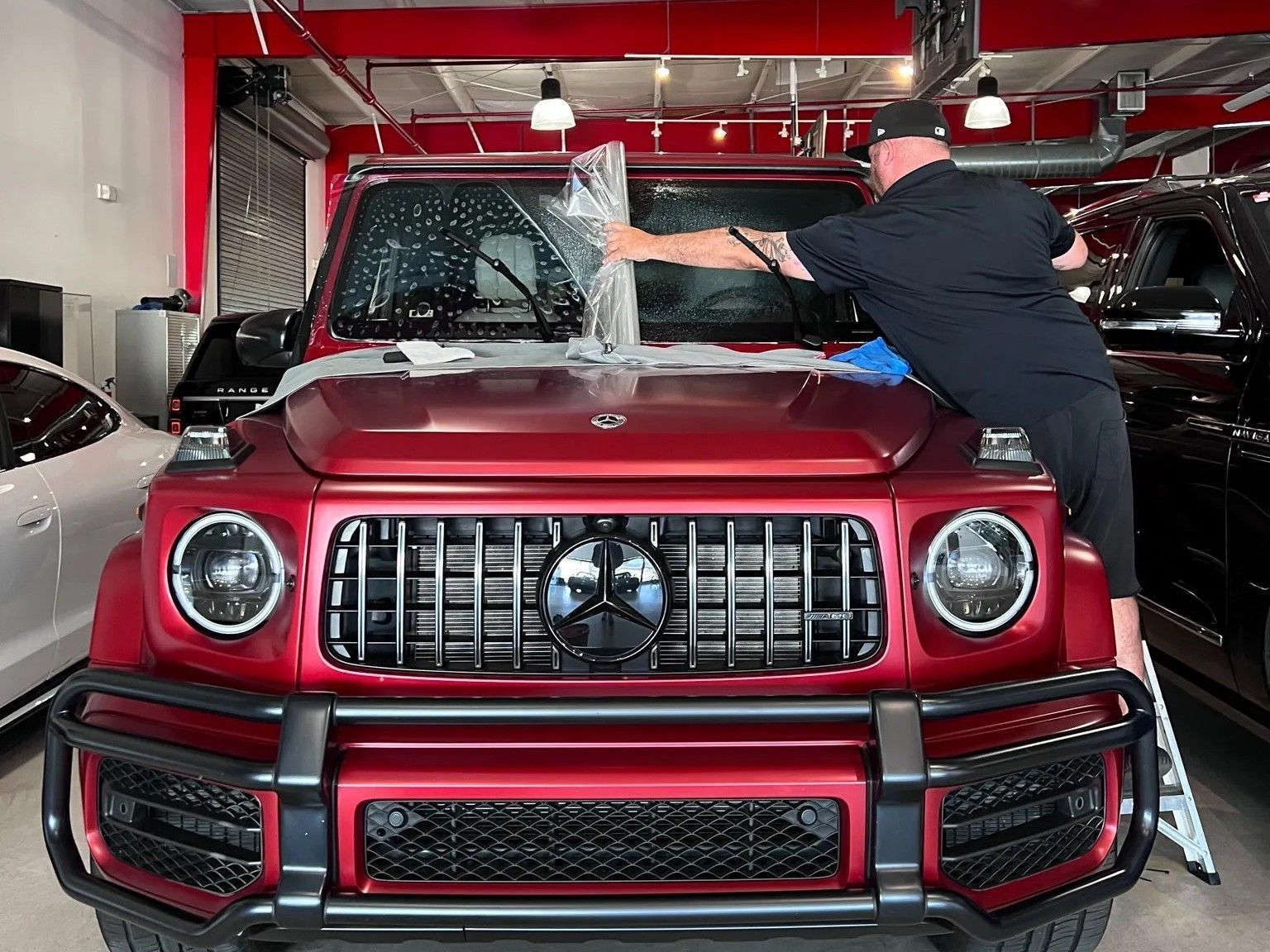
Paint Protection Film in Wichita
By SEO Team March 11, 2026
Protect your vehicle with paint protection film in Wichita, KS. Black Label Car Care helps guard against rock chips, minor scratches, and road damage.
vehicle coating in Wichita
By SEO Team February 6, 2026
Compare DIY and professional vehicle coating in Wichita to evaluate durability, protection, maintenance, and long-term value for the best lasting results.